
The valve on the bench
Take a gate valve that passes fluid when it should be shut. It has been back to the field twice since its last service, and nobody yet knows why it leaks.
Nothing gets touched until the unit is logged. We record the maker, the size, the class, the serial number, and the tag it carried in the plant. We photograph it as it arrived, before any part of it moves.
That step sounds clerical. It is what ties every later finding to one asset rather than to a valve of that type.
The strip
Then it comes apart. Gate, seats, stem, packing, bonnet and body: every part that seals or carries load comes out and is measured against the maker’s specification.
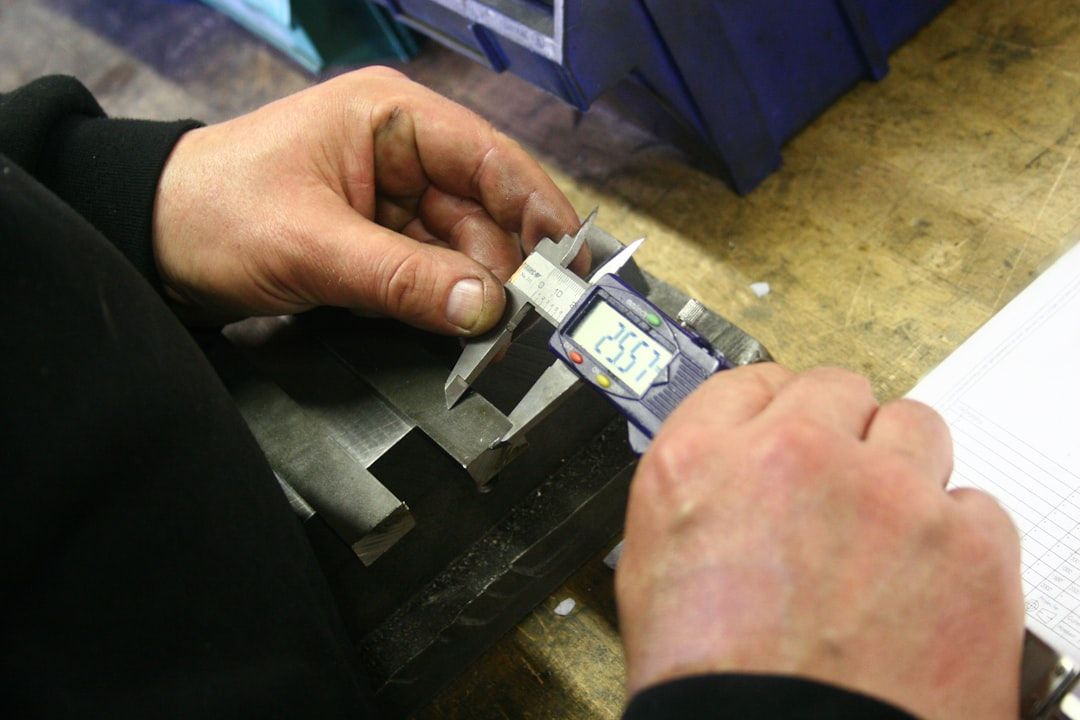
Measured is the operative word. A torch and a visual pass will find a seat that is visibly cut. It will not find a stem worn a few thousandths under tolerance, or a seat ring round enough to look sound and out of round enough to leak. Those are the ones that send a valve back to the field to fail a third time.
Wear, damage, or the wrong duty
Three things look alike on a stripped valve and mean different things.
Wear is service doing what service does, spread evenly across the parts in the flow path. Damage is an event: a foreign object through the seat, a knock in handling, a slam on a closing stroke. The third is mis-application. A valve set to a duty it was never specified for shows heavy loss on new parts in a short time.
Naming which one it is changes the answer. A worn valve is a rebuild. A valve on the wrong duty, rebuilt to the same specification, comes back with the same fault. Cause goes in the report where the strip establishes it. Where the evidence stops short of a cause, the report says so, and says what would settle it.
The report
What leaves our facility is a written report on one asset. It sets out the condition of each component, the cause where the strip established one, and our recommendation with the reasons behind it. Your own engineers can check the argument instead of taking it on trust. Where work follows, that same document is what the job gets planned and executed against.
The recommendation can go either way. Some valves are past economical repair. Others go back with a seat and packing change and nothing else. The evaluation runs at no charge, and we both rebuild equipment and supply it, so neither answer costs us the job. The call after that is yours.
What to send with the valve
Four things make the report faster and sharper when they travel with the unit.
- Service history: what it has done since new, and what was done to it last.
- Duty: fluid, pressure, temperature, and how often it cycles.
- The symptom as observed: “it leaks” and “it started leaking after the shutdown” are different pieces of evidence.
- Urgency: whether the plant is down now or the unit is a spare.
None of it is mandatory. Each one narrows what we would otherwise have to establish from the metal alone. When you are ready, start on our technical evaluation page. The request link there opens the scope form.