The hardest zone to protect
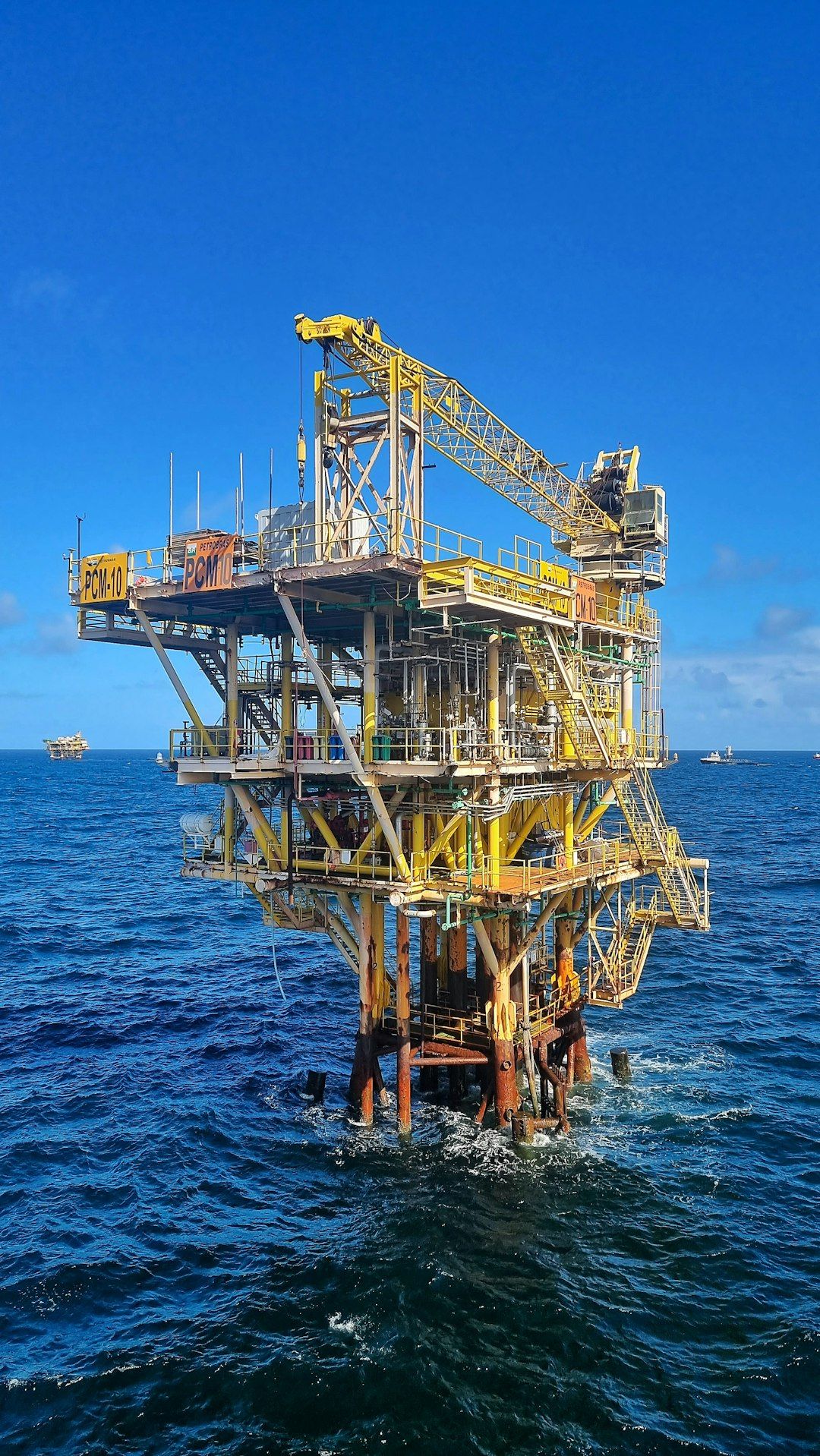
The splash zone takes the worst of it. Wet-dry cycling, wave action and oxygen drive corrosion faster there than anywhere else on a structure, right where coating ends and access is worst. Hot work in that zone needs isolation and permits. On a well conductor, it can mean re-entering the well.
We repair the zone in place instead. Steel plate is cold-bonded over the damage, and the repair is encapsulated in an ASME PCC-2-qualified Belzona composite system. No welding, no hot work, no re-entry.
Done here, not just described here
We rebuilt the corroded conductor of an abandoned well for an independent, Trinidad-focused operator. The corrosion had gone through-wall. From scoping to execution took about a week, the repair itself took one day on the tools, and the conductor went back with no leaking, handed over like new. Read the case study.
Where it applies
Well conductors, casings, risers and structural members in the splash zone, on live assets as well as abandoned wells. If the steel is thinning where the tide works on it, this is the repair built for that problem.
How we work
We assess the structure and the exposure on site. The surface is prepared, the plate is cold-bonded, and the composite encapsulation seals the repair against the wet-dry cycle. We control the cure, check the result, and document the materials and readings at handover.